AI Filmmaking Workflow: Simulation Production Method
The Simulation Production Method is a structured approach to AI Filmmaking that treats the creative process like building a simulated world.

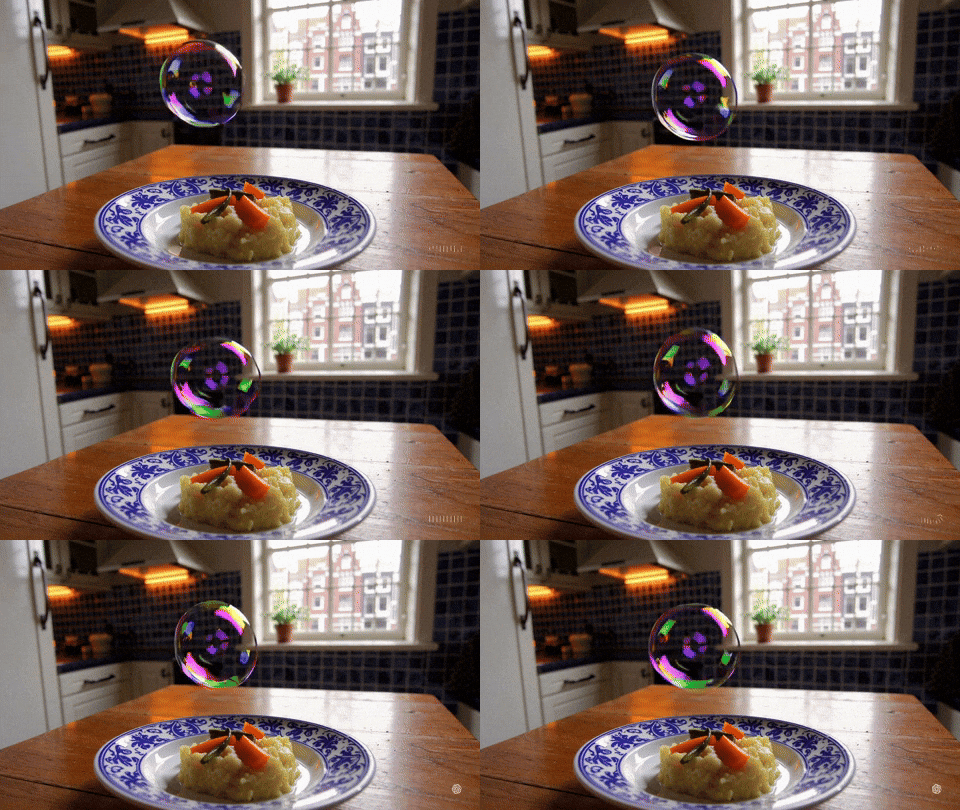
Imagine being a film director, meticulously planning every detail—lighting, costumes, props, and emotions (not that I’d know exactly what they do). AI filmmaking makes this level of planning accessible to anyone, shifting the focus from big budgets to creative efforts. The Simulation Production Method applies this same deliberate approach to create visually cohesive films with emotional impact.
What if you could bring your creative vision to life to tell the stories you’ve always imagined?
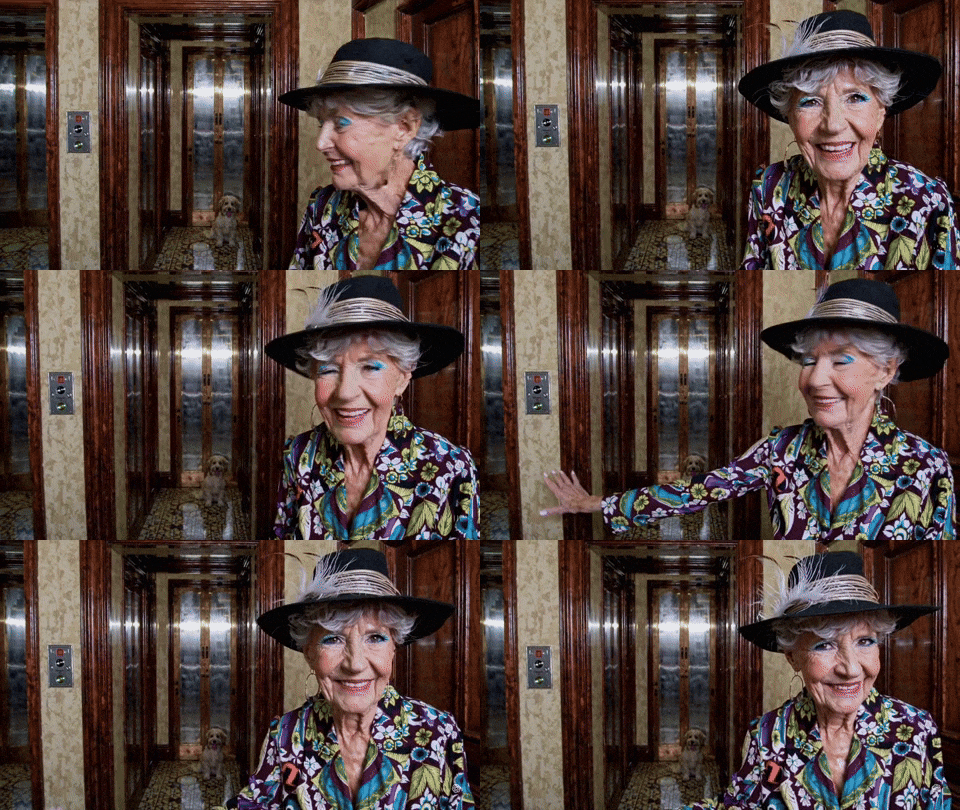
Instead of generating visuals randomly, this method focuses on crafting purposeful stories that resonate with you and your audience. It’s about starting with what you want to watch, refining iteratively, and telling stories that matter while building bonds through shared storytelling.
Core Principles
These principles provide the foundation for crafting AI films that are both technically sound and emotionally impactful.
Consistency: Maintain a unified visual language across all scenes by setting clear parameters for framing, tone, and lighting. A consistent lighting setup, for instance, ensures every scene feels like it belongs to the same world.
Iteration: Be comfortable with a loop of testing, reviewing, and improving outputs. Adjust details such as a character’s expression, lighting, or pose, and repeat the process until it feels right. Creativity is not a straight line but a cycle of discovery.
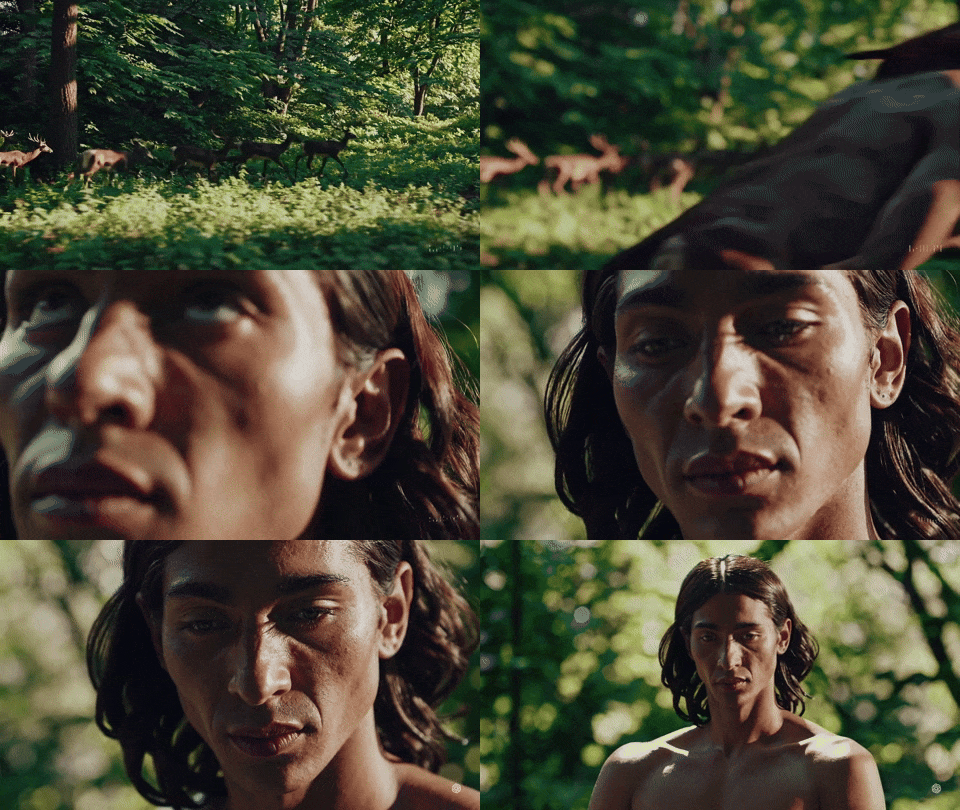
The Simulation Production Method is not a technical AI Workflow: it’s a mindset. It’s about creating intentionally, experimenting boldly, and rekindling the art of storytelling using modern tools and timeless human creativity.
If you’re more interested in experimenting with AI-generated visuals based on memory and perception, you might also enjoy Memory AI Art, a more open-ended, explorative approach to working with AI.
If you’re here for the practical steps, you’ll find them in the second half of this article. However, I encourage you to read through the other sections as well. While some concepts may feel repetitive, they are designed to help you internalize the approach, not just memorize steps.

This article isn’t intended to be a reference manual for AI Workflows. Instead, it’s here to shift your perspective on creation. Read it once, reflect on the ideas, and let them influence how you approach storytelling and production.
Why Does it Exist?
In today’s world, entertainment is readily available, and many of us take it for granted. For a second imagine a time before television, the internet, or endless content streams—when people gathered to tell stories, creating their own entertainment. The Simulation Production Method helps rekindle the timeless art of storytelling.

This method is for anyone—whether you feel disconnected from your creativity experiencing creative blocks or lack the resources for traditional filmmaking. So you don’t need a big budget; you have production power at your fingertips. The question is: What will you do with it?

Most importantly, the Simulation Production Method encourages you to focus on what truly matters, creating films that connect, inspire, and grow your storytelling practice.

Start with Pen and Paper
Before touching any AI tools or thinking about generation, the creative vision must be defined. This step is entirely analog—pen and paper, nothing else. By starting with a clear, heartfelt vision, you create something you genuinely care about, something meaningful. Ask yourself: What is the story? What emotions do you want to evoke? Who is the audience?
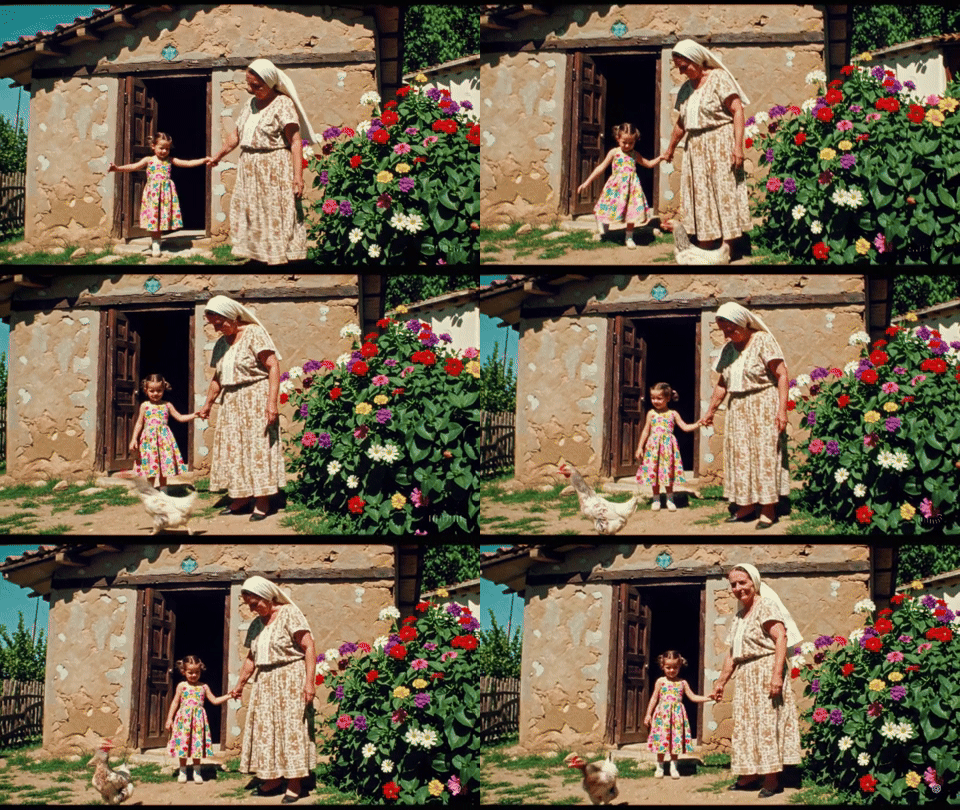
In a world where AI makes production power accessible, the key to resonance lies in creating something meaningful. Think of yourself as the first viewer: What would you love to watch? Start a storytelling circle—collaborate with friends by creating episodes together. It’s not about the final film; it’s about practice, bonding and growth.

Half of the Film’s Experience
A common pitfall in AI filmmaking is underestimating the power of sound design. The right music, ambient sounds, and even silence can elevate your visuals, immersing the audience and amplifying emotion.

From ambient noise to meditative voiceovers, treat sound design as integral to your storytelling. Treat sound with the same priority as visuals—it can make or break the cinematic experience.
Learn sound editing basics with Audacity and explore sound archives like Freesound
Experiment with AI tools like Udio, Suno, ElevenLabs
Pro Tip: Treat sound design as a character in your film. Is she bold and commanding, subtle and mysterious, or warm and inviting? Let her personality shape the emotional core of your story.

Be Conscious of Your Footprint
While AI tools offer unprecedented production power, it’s important to acknowledge the ecological cost of generating content. Every generation uses computational energy, and this adds up.
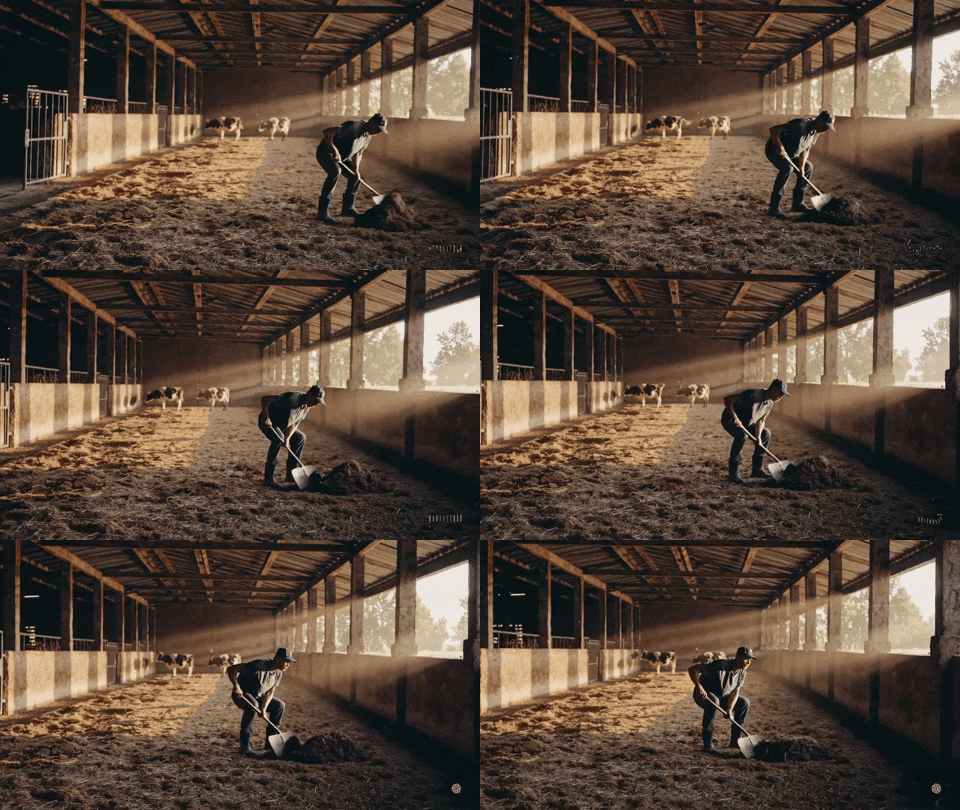
Not every story needs to be created with AI, and not every frame requires the highest resolution. Consider stock footage from sources like Pexels to complement your scenes. Start with low-resolution tests (e.g., 480p) to explore your ideas. Reserve higher resolutions (e.g., 1080p) for finalized visuals that will truly matter in your narrative.
Step-by-Step Guide to Simulation Production Method
1. Define the Creative Vision
Every great film begins with a clear vision. This means defining the foundation of your simulated world. Start with pen and paper—no technology needed. Ask yourself: What is the story I want to tell, and why does it matter? What emotions do I want to evoke? Who is my audience, and how will this story resonate with them?
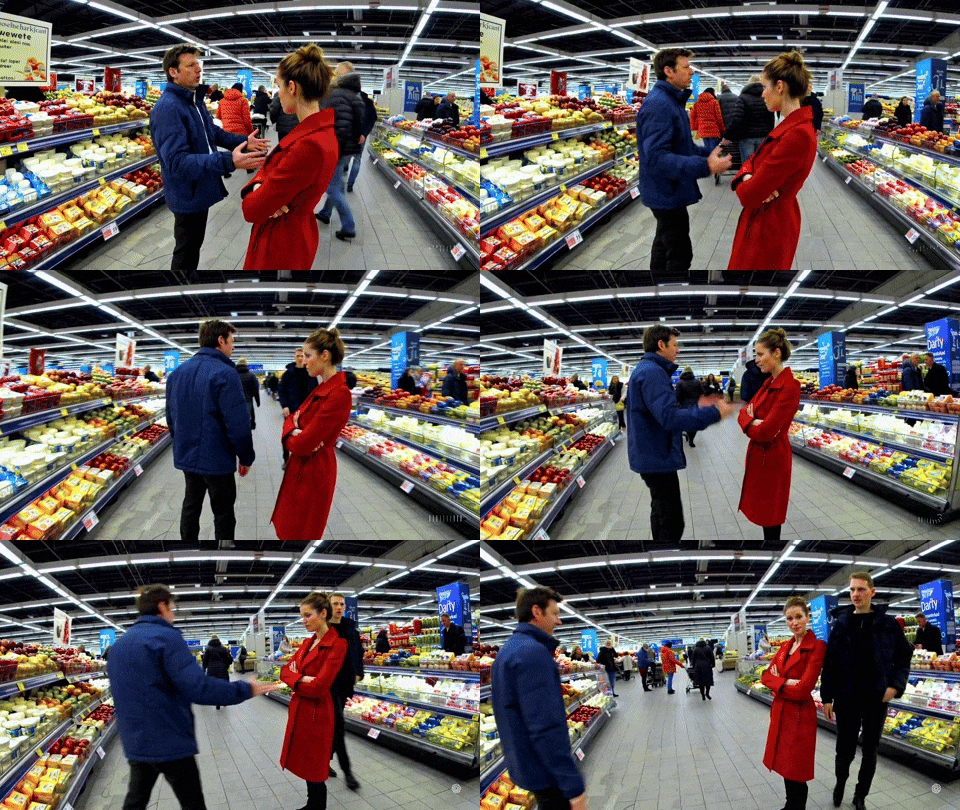
Think about the tone, environment, and mood: Is it futuristic, historical, or otherworldly? Does it feel hopeful, mysterious, or intense? Jot down rough ideas without worrying about perfection. Use this step to ground your creative vision and establish the “why” behind your story. This foundational clarity will guide the rest of your filmmaking process.

AI filmmaking opens up creative possibilities that were once out of reach for many. For instance, shooting a film in a supermarket is traditionally costly and logistically challenging. With AI, you can explore such scenes without those limitations. Imagine capturing the tension of a chance encounter in the frozen aisle or crafting a dramatic confrontation in an otherwise mundane setting—all from your creative vision, not a physical budget.
2. Build the Visual Framework
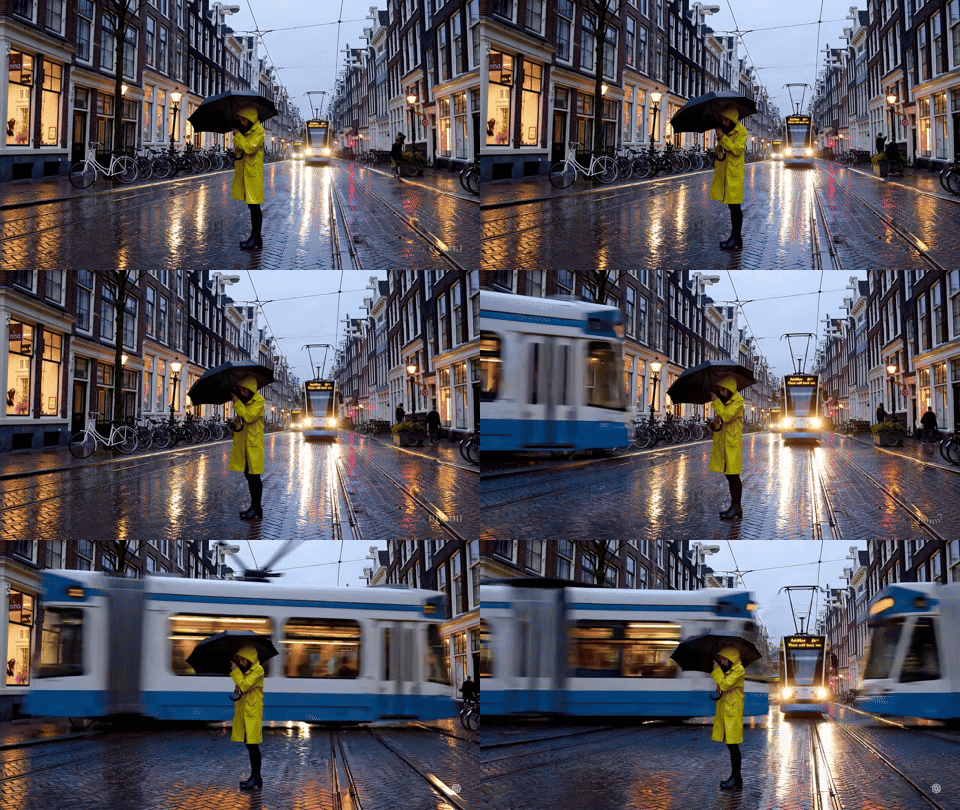
Creating a consistent visual framework is crucial for a unified look of your simulated world. This step involves defining two key components: a preset (1) and a seed prompt (2). Together, they form the backbone of your visual language, ensuring both consistency and dynamic storytelling.
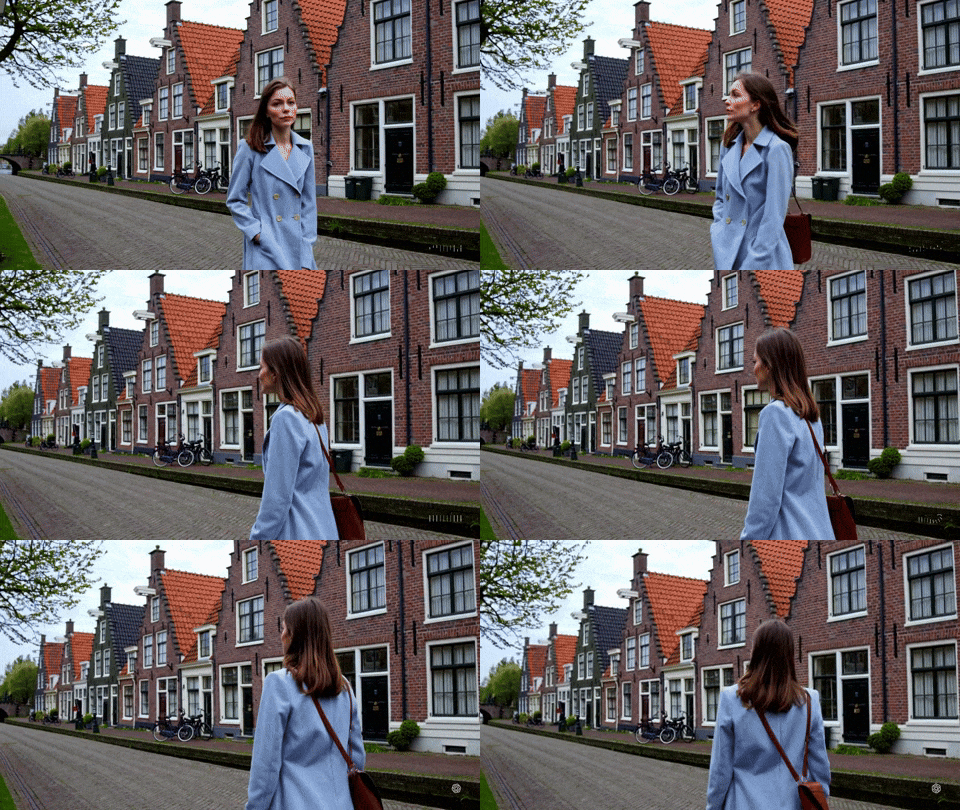
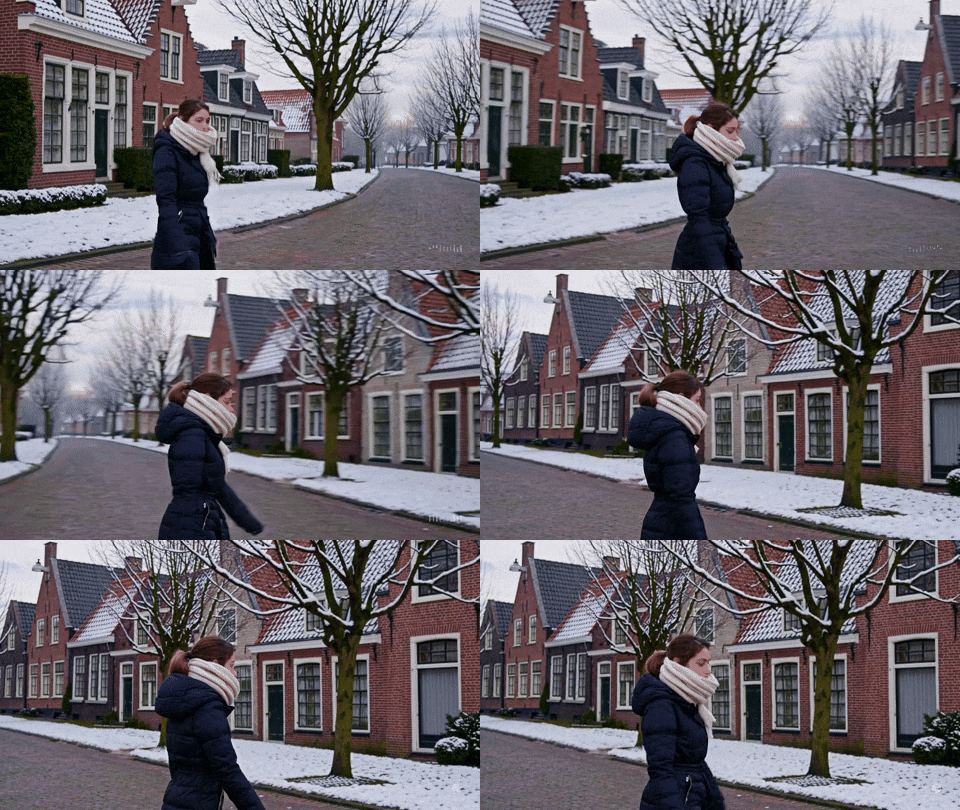
The preset (1) establishes the foundational look and feel of your film. It defines elements like lighting, framing, and background to maintain visual consistency across all scenes. Small adjustments, like tweaking the lighting or framing, can significantly impact the overall look and feel of your visuals.
For example, consider a “Dutch Town” preset: "Traditional brick houses with gabled rooftops, cobblestone streets, and orderly rows of trees. Medium-wide framing captures architectural charm and quiet streets. Lighting is natural, diffused by an overcast sky."
This preset provides a cohesive baseline, ensuring every scene feels like it belongs to the same world.
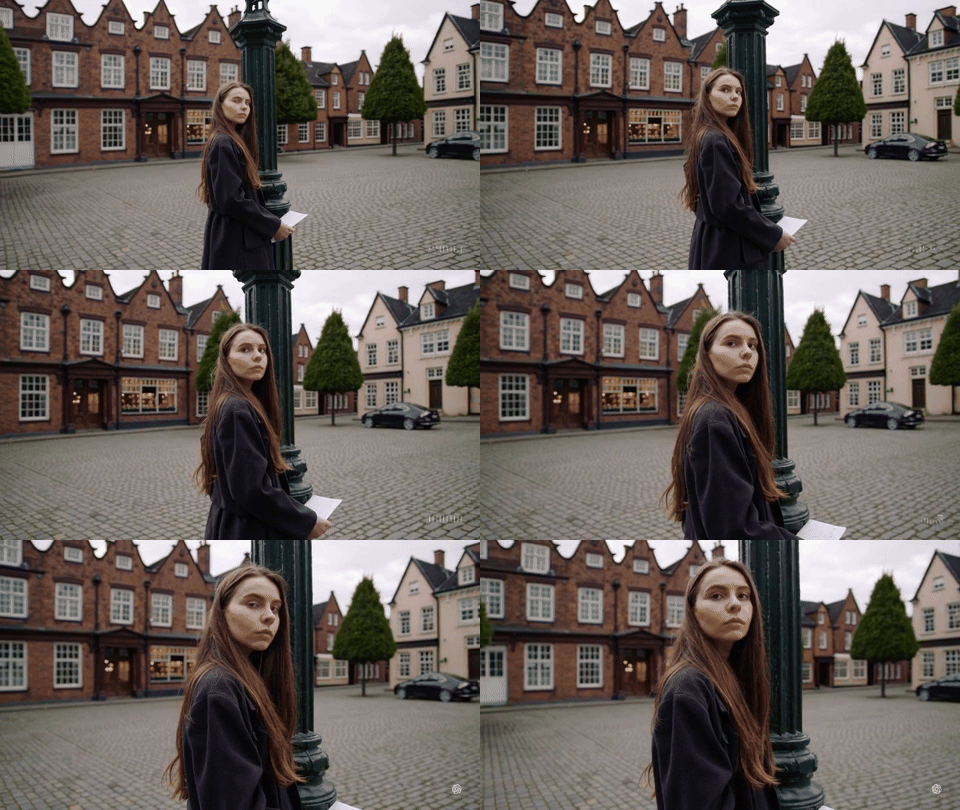
The seed prompt (2) layers storytelling elements onto the preset. It describes specific actions or moments within a scene, adding depth and narrative focus. For instance:
"A young woman stands near a lamppost in the cobblestone square, wearing a long coat and holding a letter. Her expression is thoughtful as she gazes toward a distant shop window."
This seed prompt introduces movement, emotion, and context, transforming the preset’s static environment into a living scene.
By combining the preset (1) and the seed prompt (2), you create a powerful visual framework. The preset ensures tone and consistency, while the seed prompt drives the story forward, much like storyboarding—showing what is happening in each scene.
Together, they enable you to design a visually cohesive and narratively compelling film. Later in the article, you’ll find another example that illustrates how these elements work in practice.
3. Sketch the Narrative
This phase is about exploring your story visually and testing ideas with low-resolution outputs. Begin by dividing your narrative into segments like the beginning, middle, and end. Identify key moments that define your story’s flow and emotional impact.

Focus on discovering potential ideas—don’t worry about perfection yet. Experiment with elements like costumes, props, lighting, and poses to refine your characters and establish the mood of each scene. This is a creative playground where unexpected visuals can inspire new directions.

Work iteratively: generate, review, adjust, and repeat. Save promising outputs for refinement. Visualize how your scenes connect by sketching or jotting down transitions. Keep it simple—overall tone and composition come first; details can follow.

4. Curate the Scenes
Once you’ve explored and expanded your visuals, the next step is to focus and refine. This phase involves selecting the best outputs, blending or remixing scenes, and ensuring your visuals align seamlessly with your story.


Start by reviewing your outputs to identify what works—such as compelling lighting, strong character expressions, or consistent tones—and what needs improvement, like awkward framing or visual mismatches. During this process, you may notice gaps in your narrative or missing transitions that need to be generated.


Work iteratively, addressing one aspect at a time. This is the convergence phase, where you shift from expanding possibilities to narrowing your focus on what best serves your story. By identifying and filling in any gaps, you’re on the right track to crafting a cohesive narrative. This is also where decision fatigue can set in, so make sure to take frequent breaks to maintain clarity.
5. Build your Narrative: Visuals and Sound
This is where your story truly comes to life, combining visuals and sound to create a cohesive and emotionally engaging narrative. It’s not just about arranging scenes—it’s about crafting a seamless flow that resonates with your audience.

Start by sequencing your refined visuals in a logical order. Focus on emotional flow, ensuring each scene transitions naturally to evoke the intended feelings. Use linking visuals or animations—like subtle camera movements or intermediate frames—to smooth transitions and maintain consistency.

Sound design plays an equally critical role in shaping your narrative. Gentle waves and soft wind can enrich a beach scene, while low, ominous tones heighten the tension in a confrontation. Layering sounds thoughtfully can create an immersive experience that complements your visuals.
Give sound design the same attention as your visuals, using it to enhance mood, evoke emotion, and add clarity to your film’s story.
6. The Film Premiere
This is where your artistic choices come together. Bring all elements together to release your film to the world and connect with your audience. The launch of your film is just as important as its creation. Take it seriously: gather your friends, host a premiere, hang out, and celebrate the journey you’ve completed!
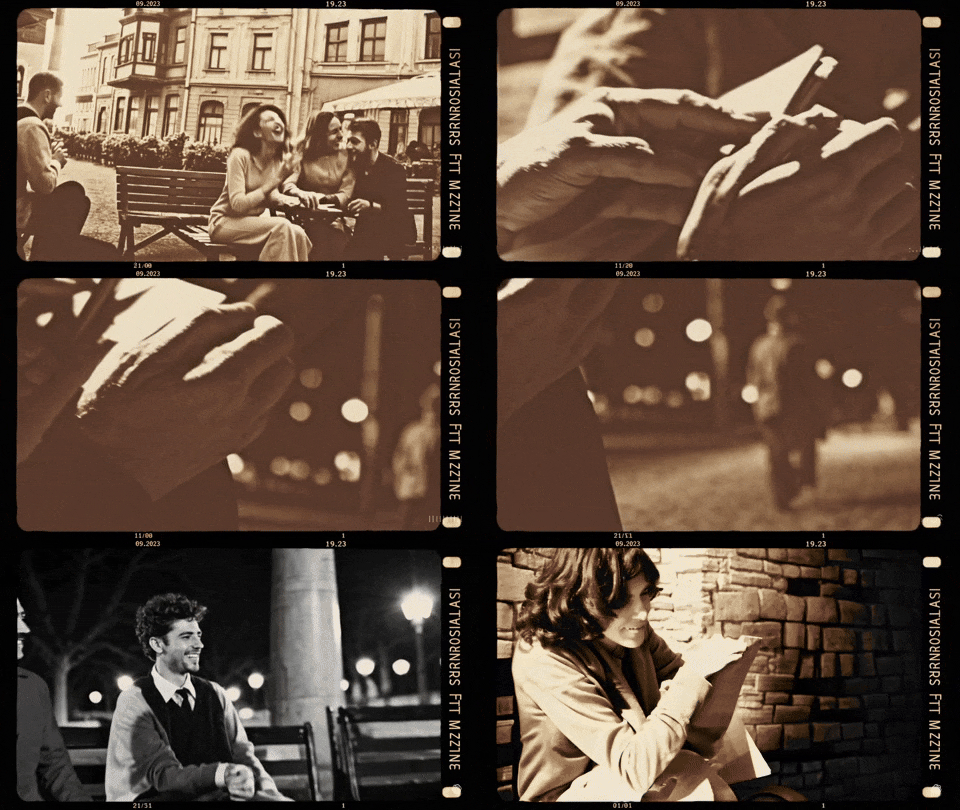
Your film may never feel “perfect,” but that’s part of the creative process. Once you share it, you’ll gain fresh perspectives and insights that help you appreciate your progress. Two years from now, you’ll watch it again and realize why you did a great job—both for what you created and for how far you’ve come.
Take Breaks to Avoid Decision Fatigue
The challenge in AI filmmaking isn’t generating stunning frames; it’s identifying the ones that truly serve your story. As you explore variations, decision fatigue can set in, clouding your judgment.
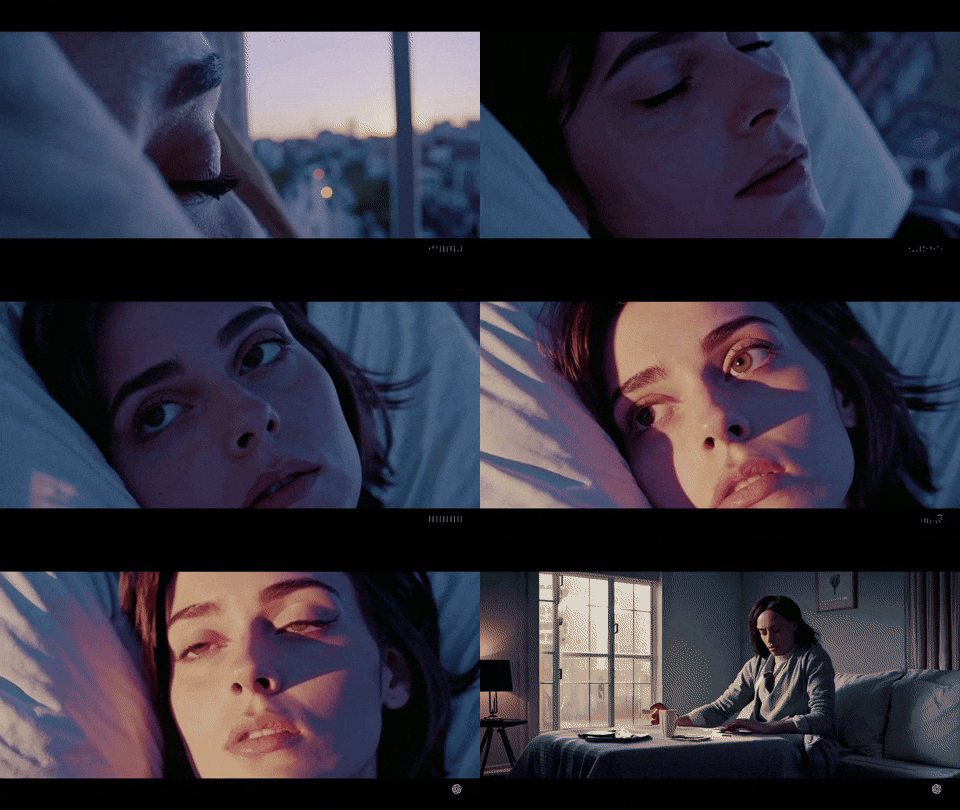
Sometimes, you don’t need more frames—you need a break. Step away from your project, return with fresh eyes, and review your outputs with renewed focus. This approach can save time, and energy. It can help you make more intentional creative decisions.

The First Attempts Won’t Be Perfect—And That’s Okay
Creating your first AI film can be exhilarating, here’s a gentle warning: generating cool frames and animating them is just the beginning. A cohesive film requires practice, iteration, and storytelling skills. Your first attempt might not feel like a great story—and that’s perfectly normal.
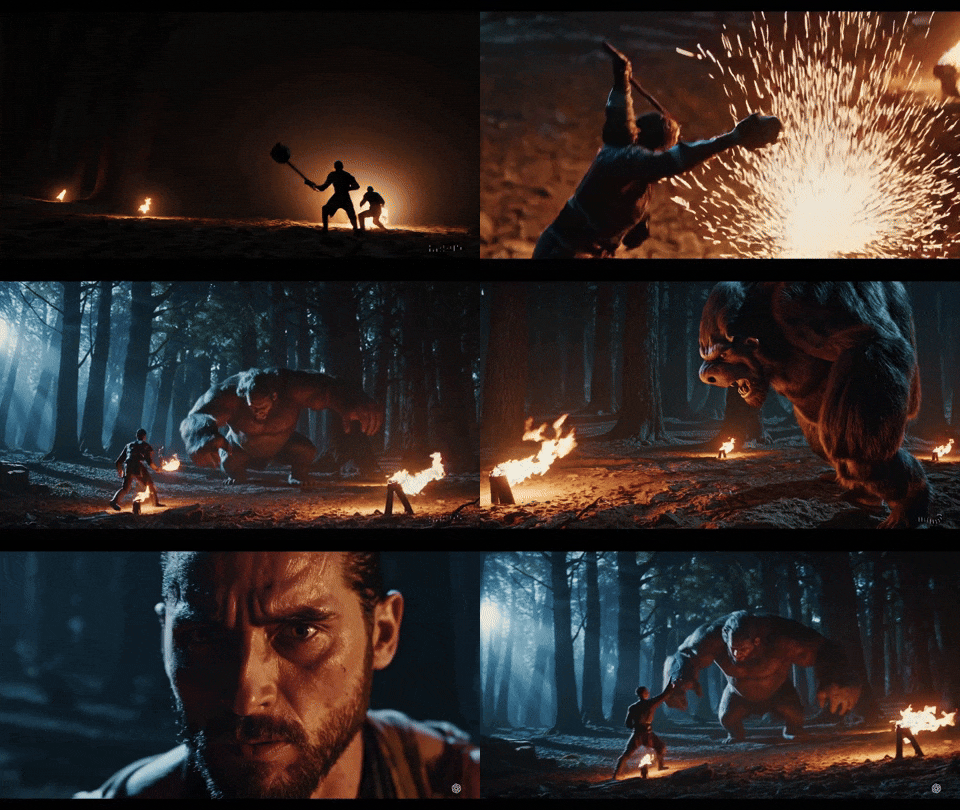
Instead of aiming for perfection, focus on experimentation. Treat each project as a step forward, a learning experience. With each attempt, you’ll refine your approach and storytelling will become more cohesive. Don’t be discouraged; practice makes progress. The joy of AI filmmaking lies in the journey of creation, not the final result.
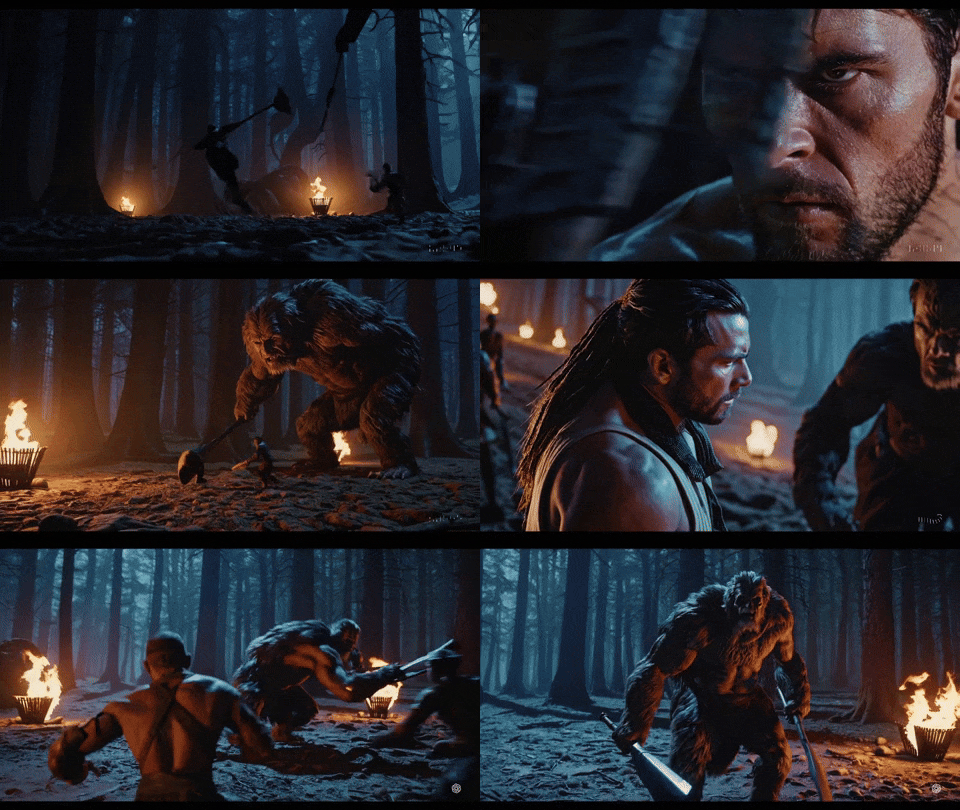
The Breath of Interpolated Rituals -v2
If you ask me: “Hey Ayça, tell me: Does it really work?” My answer is yes, at least the way I do it.
This is a rough note of my learnings. I approach filmmaking as an active learner, with no formal expertise, but with a commitment to improving through hands-on experimentation.
As part of the Sora alpha artist group, I’ve been fortunate to experiment with the latest tools. This project revisits and reimagines a piece I created in February 2023, which was my first artwork exhibited in a physical space.
This project highlights how starting with a clear vision, refining iteratively, and embracing experimentation can lead to meaningful storytelling.
The Creative Vision: Portray twenty-two time-traveling Turkic women
The Visual Narrative: Use a black drop studio with consistent lighting and medium close-ups
Preset: “A professional black drop studio with a seamless black backdrop and soft, diffused lighting highlighting facial features and subtle textures. The subject is centered in a natural pose, framed in a medium close-up to emphasize attire and expression”
Seed Prompt Structure: “A Turkic woman in traditional nomadic attire, with double braids decorated with beads. She holds a hand-carved staff, her expression contemplative as though recalling an ancient memory”
Sketch and Curate the Narrative: I adjusted prompts to fine-tune props, clothing patterns, and facial expressions. Generated detailed visual descriptions to test combinations.
Example Seed Prompt - The Artisan Weaver: "A woman in her mid-40s, wearing a vibrant handwoven scarf draped over her shoulders. Her attire features intricate geometric patterns inspired by Turkic textiles, with a belt adorned with small tassels. Her hands are busy holding a spindle, her gaze focused yet serene. Her thick, curly hair is loosely tied back, allowing strands to frame her face, reflecting a balance of strength and craftsmanship."
Example Seed Prompt - The Shield Bearer: "A tall, muscular woman clad in leather armor embossed with traditional Turkic motifs. She carries a large round shield painted with vivid blue and gold patterns, her other hand gripping a ceremonial spear. Her hair is shaved on one side with intricate designs, while the rest falls into a long, single braid."
The journey of refining these characters taught me that AI filmmaking is as much about discovery as it is about creation. Each iteration brought me closer to the essence of the story I wanted to tell.
Ayça Turan
ayca.tech
January 2025, Netherlands
One of the best artictle i have read about this subject!